This page has been idle for a while. To make sure you don't miss out on the latest content, please reload the page.Refresh
Refresh
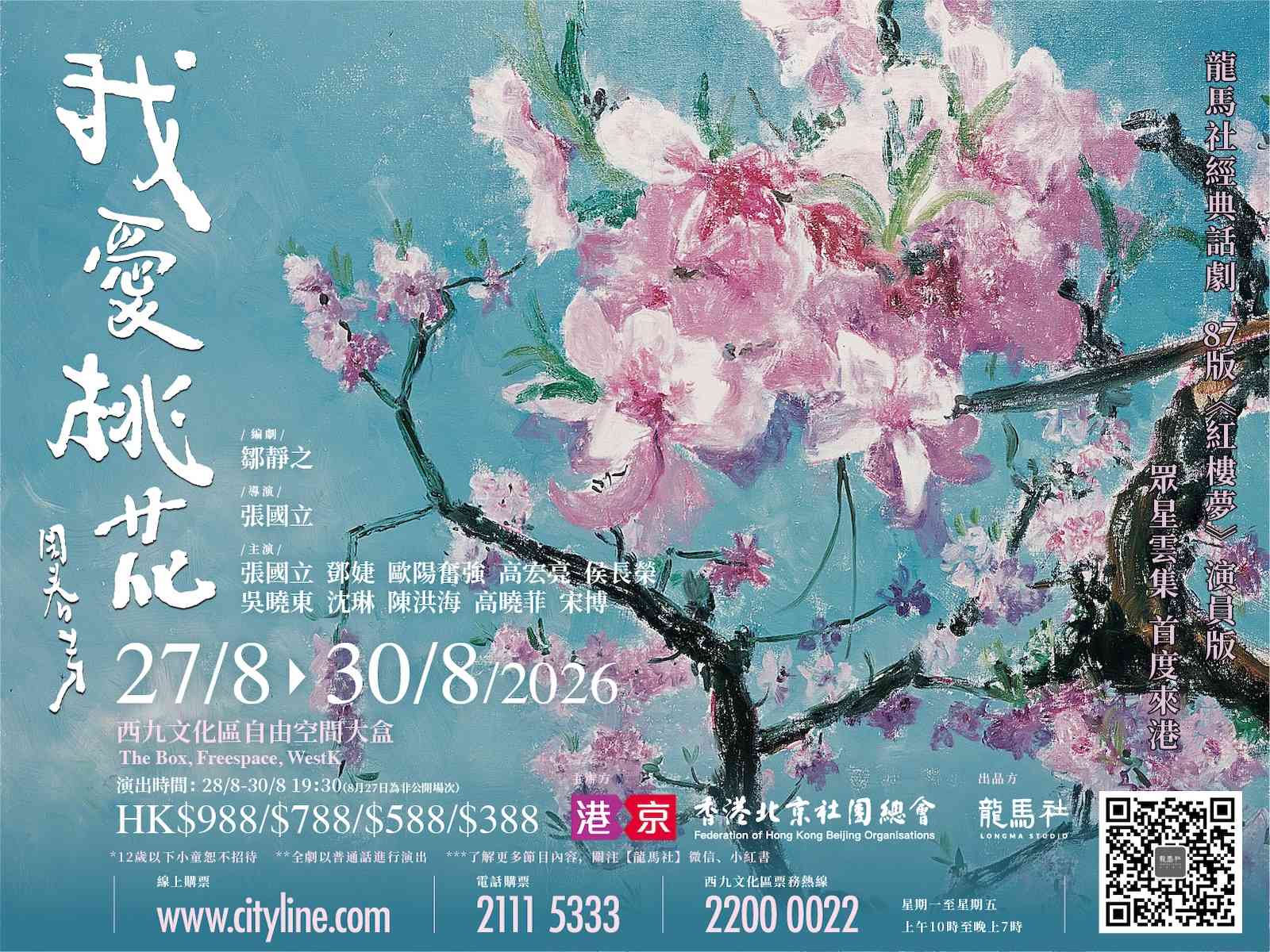
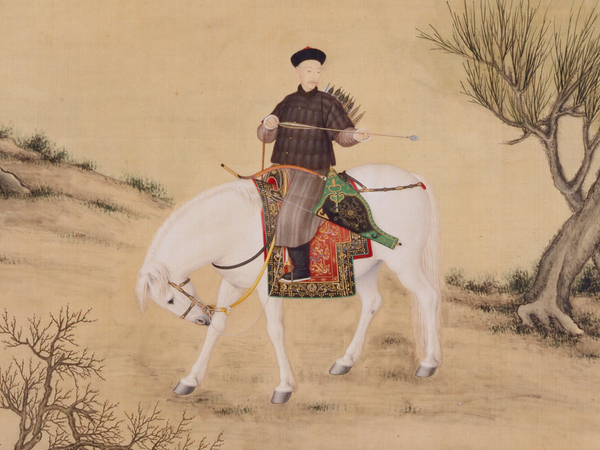
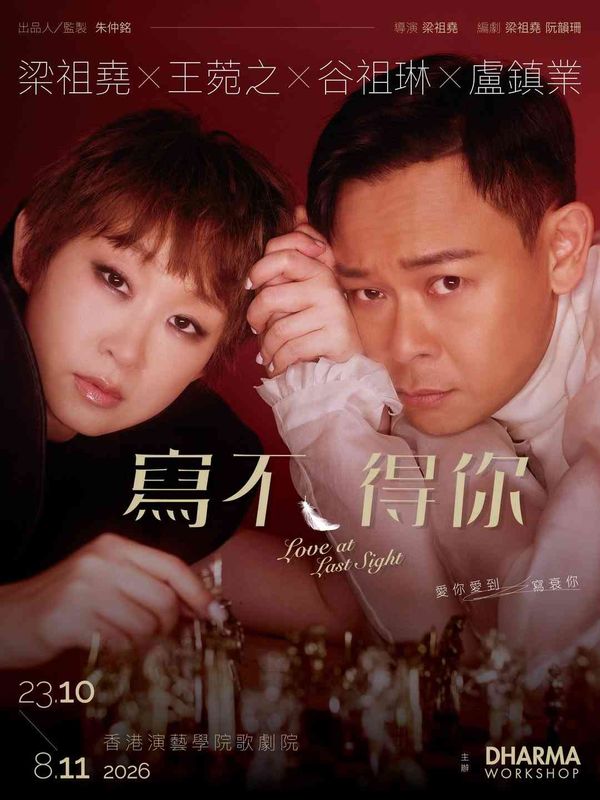
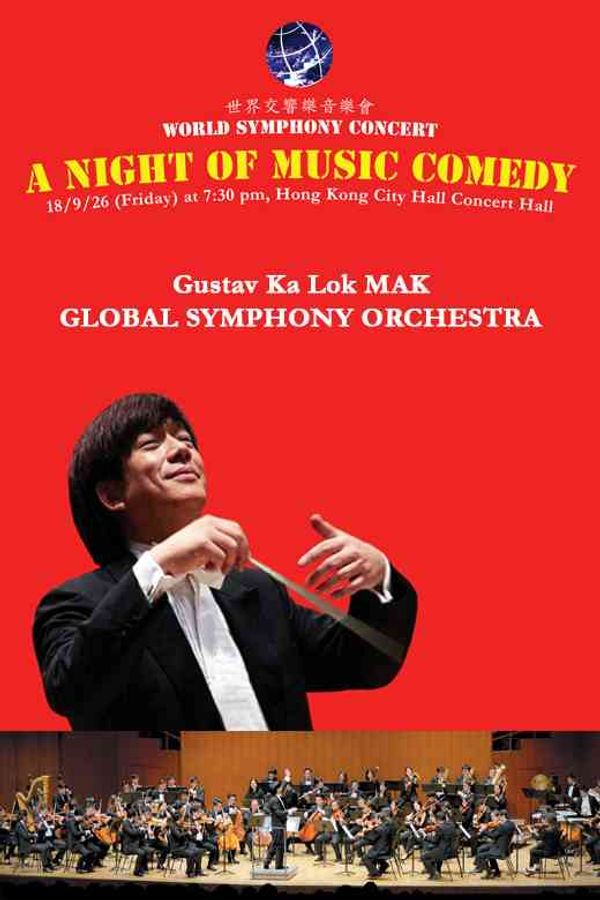
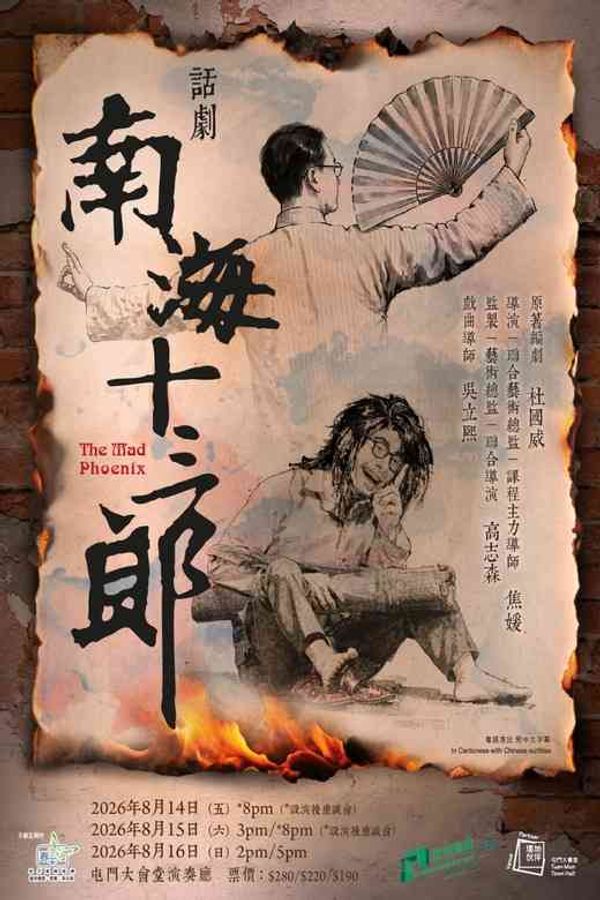
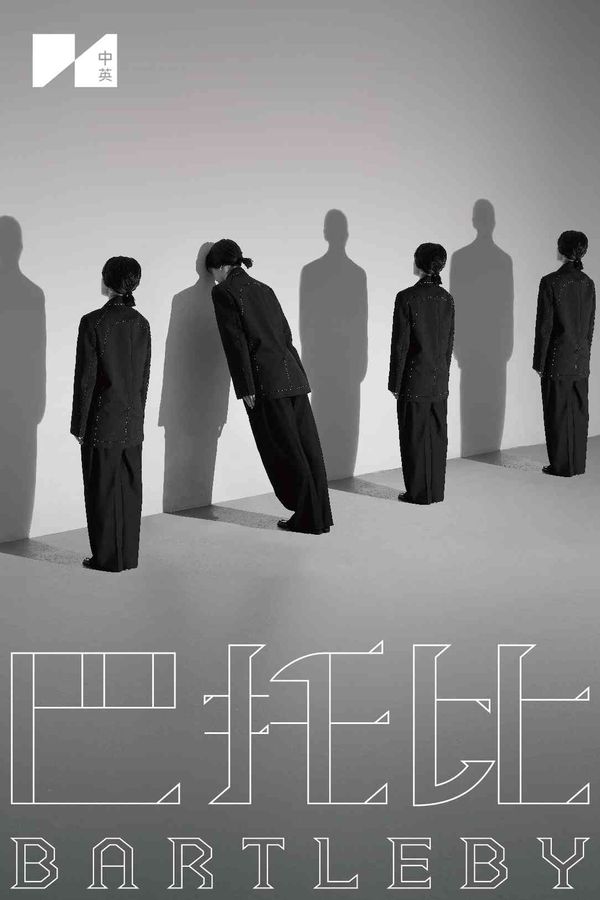
During the Tang Dynasty, a young man named Feng Yan had an affair with the wife of Zhang Ying, a military officer. One night, Zhang Ying returned home drunk, and his wife hid Feng Yan. However, as Zhang Ying lay down, he accidentally pressed down on Feng Yan's headscarf, which was on a chair. When Feng Yan tried to escape, he gestured for the headscarf. Zhang's wife quietly went to Zhang Ying's side. At that moment, the headscarf was under Zhang Ying, and she misunderstood, thinking Feng Yan wanted the knife at Zhang Ying's waist and intended to kill her husband. So she quietly drew the knife and handed it to Feng Yan. Seeing the knife, Feng Yan felt this woman was ruthless and, thinking her heartless, killed Zhang's wife with a single blow.
"I wanted the headscarf, but you gave me a knife"—how should a relationship based on misunderstanding end? What are the possible outcomes of a misunderstanding? Is it a misunderstanding, or the true nature of people under a misunderstanding? The actors on stage travel back and forth between ancient and modern times, prompting both the characters and outsiders to discuss the various possibilities between the two lovers after the sword is drawn: who lives and who dies? And can they put the sword back and start over...?























































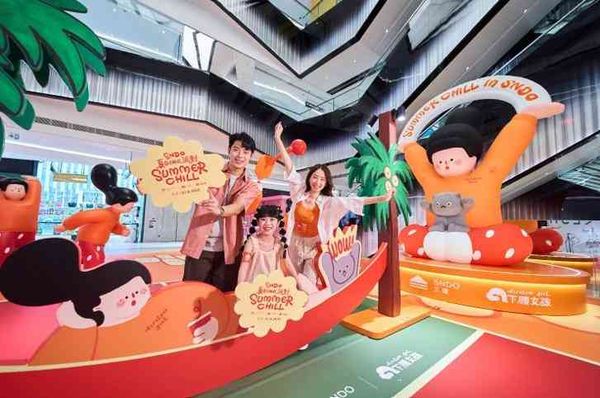
![Kwai Fong Metroplaza | [Kwai Fong Summer Journal] Create Gen Z's most dope and fun holy land, punch-in recommendation: [Sen-do Day to Night Chill punch-in spot] Big difference between day and night Experience the urban escape small town game strategy](https://img.etnet.com.hk/customcover/event/2026/07/08/KFSummerfest-2026-052_m.jpg)



![Tsim Sha Tsui LCX | [LCX x Plastic Thing Summer 'Package' Fun Baking Workshop] is open for business! Foodie Mei is now Chef FATTY, joining FATMILY to bring you three immersive multi-sensory baking scenes.](https://img.etnet.com.hk/customcover/event/2026/07/22/LCXxPlasticThingsSummer-2026-C002_m.jpg)

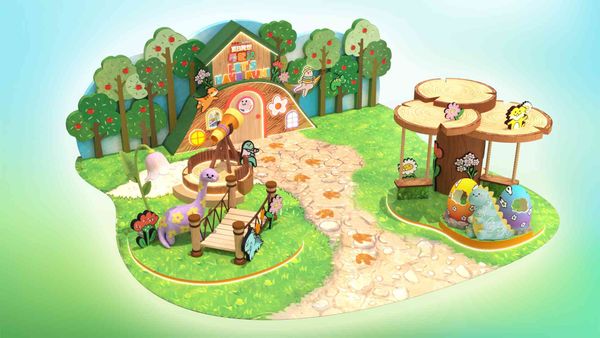



![Tsuen Wan Nina Plaza | A Summer Cool Spot! Chinachem Group Shopping Mall × My Friend Rabbit [“Rabbit” - Gather for Fun-filled Summer Water Party] Makes its Debut](https://img.etnet.com.hk/customcover/event/2026/07/03/03072026_ninamall_a001_m.jpg)